X2y2 fees is the post-sunset cost model for X2Y2 NFT trades
Ethereum NFT marketplace cost model for smart-contract trades, with Ethereum gas remaining relevant after the April 2025 shutdown.
X2y2 fees is the cost framework left around X2Y2's Ethereum NFT marketplace after its trading platform shut down on April 30, 2025: users no longer treat it as an active marketplace interface, but its deployed smart contracts still matter for completed orders, contract interactions, royalties, approvals, and Ethereum gas payment.
That distinction matters because marketplace fees and blockchain fees are different costs. The marketplace layer once shaped how orders were listed, matched, and settled. The blockchain layer still prices every on-chain action in ETH through gas. After the sunset, a user reading about X2y2 fees is usually trying to understand which costs belonged to the marketplace business and which costs still arise from Ethereum smart-contract activity.
The shutdown changed the interface, not the old contracts
X2Y2 launched its beta on February 6, 2022 and grew into one of the largest NFT marketplaces during the Ethereum NFT cycle. The team later announced that the marketplace would close completely on April 30, 2025, citing the sharp contraction in NFT trading volume and the difficulty of sustaining marketplace network effects. It described the closure as a full stop for X2Y2 as an NFT marketplace, while saying the smart contracts would keep running.
That leaves X2y2 fees in a narrower role than they had during live marketplace competition. The fee conversation no longer centers on choosing X2Y2 as a daily venue against OpenSea or Blur. It centers on residual smart-contract mechanics: past listings, approvals, settlement records, royalty assumptions, and any direct interaction with contracts that remain deployed on Ethereum.
Ethereum gas is the cost that still moves every day
Gas is paid to Ethereum validators whenever a transaction executes. It is not set by X2Y2, and it changes with network demand, transaction complexity, and the gas limit required by the function being called. A simple ETH transfer costs less gas than a marketplace settlement because a settlement checks signatures, transfers an NFT, moves payment, and records state changes.
For someone estimating X2y2 fees after the marketplace sunset, gas is the live variable. A dormant listing costs nothing by itself. A wallet approval, cancellation, claim, transfer, or settlement attempt consumes gas when it reaches the chain. Failed transactions also consume gas for the computation already performed, so a reverted contract call still produces a real ETH cost.
Where the marketplace fee used to fit into an NFT sale
During active trading, a marketplace sale carried several layers of cost. The buyer paid the purchase price and the transaction gas. The seller received proceeds after marketplace charges, creator royalties where applied, and any token transfer costs embedded in settlement. The exact visible breakdown depended on the order type, the NFT collection's royalty settings, and the wallet transaction preview.
This is the cleanest way to think about X2y2 fees: the marketplace charge belonged to the trading venue's business logic, while gas belonged to Ethereum execution. When the marketplace interface closed, the business-facing venue fee stopped being the practical day-to-day search problem. The contract layer remained, and Ethereum still charges for every state-changing action.
Royalties, approvals, and settlement costs are separate line items
NFT marketplace users frequently group every deduction under one word, but the components are different. Creator royalties route value to the collection's creator or royalty recipient. Token approvals give a contract permission to move an NFT or ERC-20 token from a wallet. Settlement gas pays for the transaction that completes the trade. None of those costs are interchangeable.
- Gas: paid in ETH to execute the transaction on Ethereum.
- Marketplace charge: the venue-level fee applied by X2Y2 during active trading.
- Creator royalty: collection-level payment logic or marketplace-enforced royalty setting.
- Approval gas: the ETH cost of granting or changing contract permissions.
- Cancellation gas: the ETH cost of invalidating an on-chain or contract-recognized order.
Separating those pieces prevents confusion when reviewing an old transaction. X2y2 fees did not replace Ethereum gas; they sat beside it in the trade economics.
How to inspect an old X2Y2 transaction
The most reliable view of an old trade is the transaction receipt in a block explorer. The receipt shows the gas used, gas price, ETH spent on execution, token transfers, NFT transfers, and contract addresses involved. Event logs reveal whether an ERC-721 or ERC-1155 token moved and whether ETH or wrapped ETH changed hands.
Start with the wallet's transaction hash, then read the receipt from top to bottom. The gas section explains the chain cost. The logs show the NFT contract and token ID. Internal transfers and ERC-20 transfers explain payment flow. When a marketplace fee or royalty was paid, it appears as a transfer rather than as a vague label in a checkout screen.
Wallet permissions deserve attention after a marketplace closes
Approvals granted during active marketplace use remain important because they live on-chain. An approval gives a specific contract permission to move a specific NFT, a collection, or a token allowance, depending on the approval type. Closing a website interface does not automatically remove permissions from wallets.
A user who no longer needs old X2Y2 permissions pays gas to revoke or adjust them through a wallet or token approval manager. That gas cost is part of the lingering X2y2 fees discussion because revocation is an Ethereum transaction. It is a security cleanup step with a real network cost, especially during busy blocks.
What the X2Y2 token connection meant for fee expectations
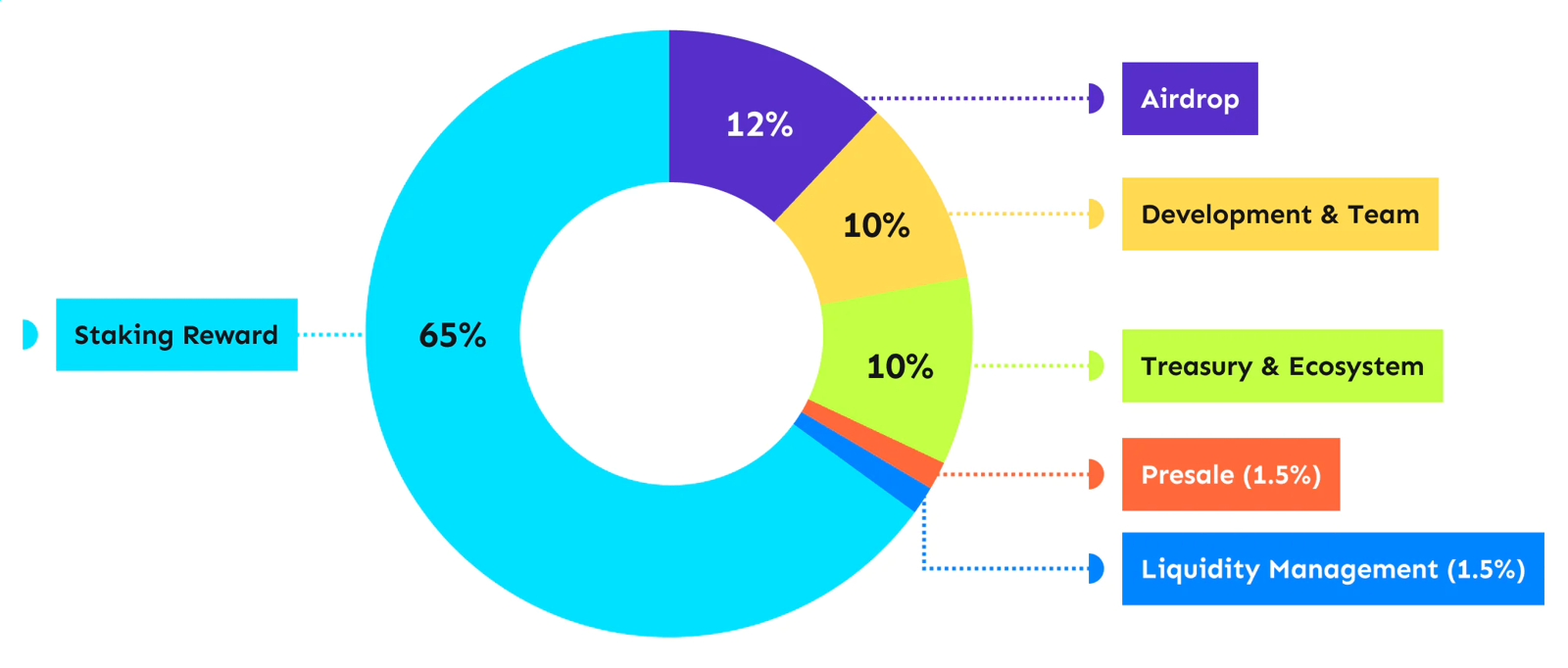
The X2Y2 token was tied to the marketplace vision, and the sunset announcement directly acknowledged that closing the NFT chapter affected token expectations. That does not turn the token into a fee receipt or a claim on future marketplace revenue. It means the token's narrative was linked to the marketplace's activity, incentives, and community belief.
Fee pages around X2Y2 therefore need a strict boundary: token price and platform costs are related in market psychology, but they are not the same accounting item. X2y2 fees describe the cost of trading and contract interaction. The token belongs to governance, incentives, and speculative market value around the old marketplace brand and its later AI-focused pivot.
OpenSea, Blur, and direct contract use after X2Y2
After the X2Y2 marketplace sunset, active NFT traders shifted attention to venues with live order books, live interfaces, and current liquidity. OpenSea remains the broad consumer marketplace reference point for Ethereum NFTs. Blur is associated with professional trading behavior, bidding, and liquidity incentives. Direct contract interaction is reserved for users who understand the exact function they are calling.
Those alternatives change the cost profile. A live marketplace adds current routing, checkout previews, and active support for order flow. Direct contract use removes a familiar interface and demands more precision from the wallet owner. X2y2 fees remain relevant mainly when analyzing old X2Y2 activity or interacting with deployed contracts that still respond on Ethereum.
Estimating the cost before touching a remaining contract
Before submitting a transaction, the wallet simulation shows the estimated gas fee in ETH and the expected contract action. Read the method name, token address, NFT identifier, and spending permission before approving. If the call touches an old listing or approval, the important question is whether the transaction changes something useful enough to justify the gas.
Gas spikes during heavy Ethereum demand, so timing affects the final ETH paid. The practical workflow is straightforward: inspect the transaction, confirm the contract address, compare the wallet's gas estimate with the intended action, and submit only when the cost and action match. That turns X2y2 fees from a vague search phrase into a concrete review of execution cost, royalty flow, and contract state.
Questions people ask about X2y2 fees
What costs remain after the X2Y2 marketplace shutdown?
The main remaining cost is Ethereum gas for direct smart-contract interactions, wallet approvals, cancellations, token transfers, or any other state-changing transaction. The marketplace interface shut down on April 30, 2025, so active venue-level trading fees are no longer the daily concern. Old contracts still exist on Ethereum, and interacting with them requires ETH for gas.
Does revoking an old X2Y2 approval cost gas?
Yes. Revoking an NFT approval or token allowance is an on-chain Ethereum transaction, so the wallet pays gas in ETH. The revocation changes permission state for a contract that previously had access to move a token or collection. The cost is set by Ethereum network conditions and the transaction's gas use, not by the former marketplace interface.
Can old X2Y2 listings still create costs for my wallet?
A listing by itself does not spend ETH after it sits idle. Costs appear when a transaction is submitted, such as cancellation, approval changes, or a contract call attempting to settle or modify an order. If the transaction reaches Ethereum and executes or reverts, the wallet pays gas for the computation performed by the network.
Why are X2Y2 transaction costs different from creator royalties?
Transaction costs pay Ethereum validators for computation and block space. Creator royalties route part of a sale's value to a collection's royalty recipient when the trade path applies that royalty logic. A single NFT sale may show both, but they serve different purposes and go to different recipients. Gas is network execution; royalties are collection economics.
When should I compare X2Y2 costs with OpenSea or Blur?
Compare them when reviewing historical trades or deciding where active NFT liquidity now exists. X2Y2 is no longer the live marketplace it was, while OpenSea and Blur still represent active NFT trading venues. The useful comparison is not only fee percentage; it includes liquidity, wallet previews, royalty treatment, order depth, and the reliability of the current trading interface.